Reprocessing
About Reprocessing
Once conventional fuels such as petroleum and natural gas are burned, it can no longer be used. In contrast, uranium fuel can be burned for three to four years and can be used repeatedly through reprocessing. In the light-water reactors, used in many nuclear power plants, energy is primarily obtained from U-235. When U-238, which is a non-fissile isotope, absorbs neutrons, part of it changes into plutonium.
The plutonium and residual unburned U-235 is extracted by reprocessing to be reused as raw materials for uranium fuel or Mixed Oxide (MOX) fuel.
This reprocessing is carried out at the reprocessing plant. Thus, the reprocessing plant is regarded as a facility that produces semi-domestic energy resources. Using reprocessed uranium and plutonium in a light-water reactor allows for 10% to 20% uranium-resource-saving effects. Moreover, in the future, if plutonium were to be used in the Fast-Breeder Reactor that excels in conversion efficiency, utilization efficiency is expected to improve significantly.
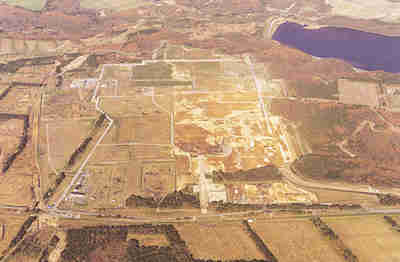
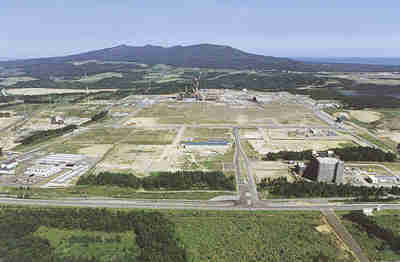
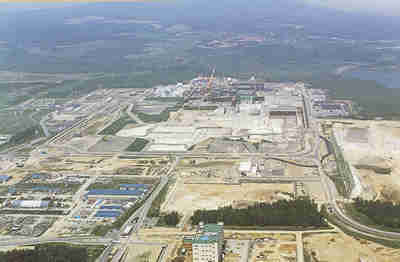
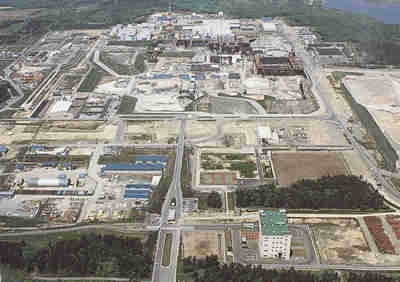
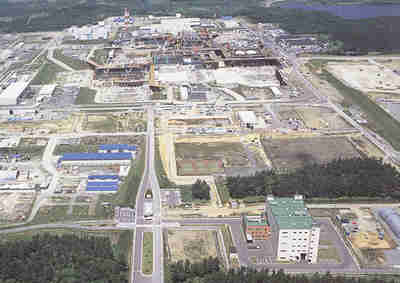
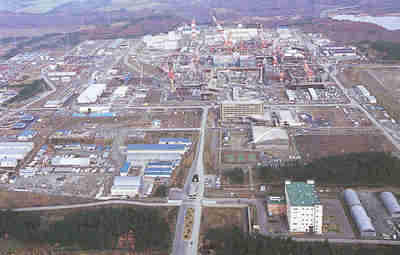
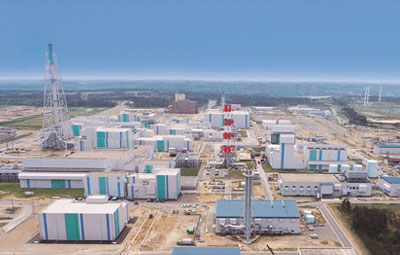
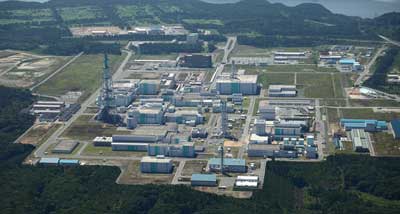
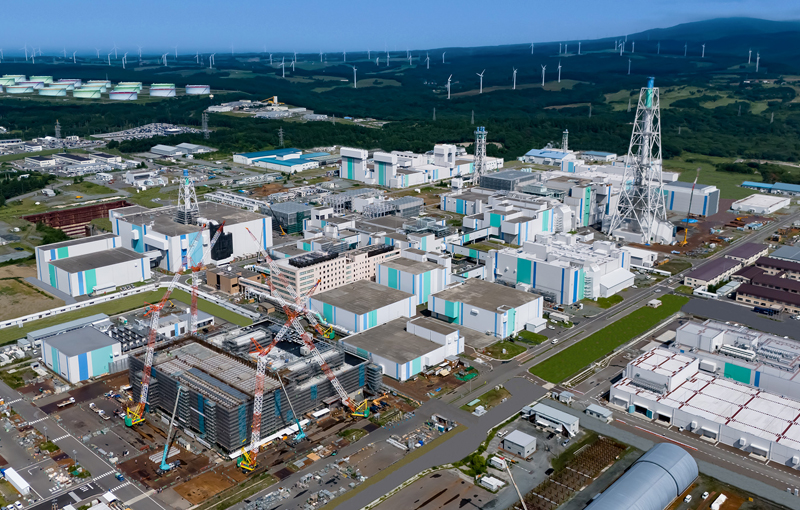
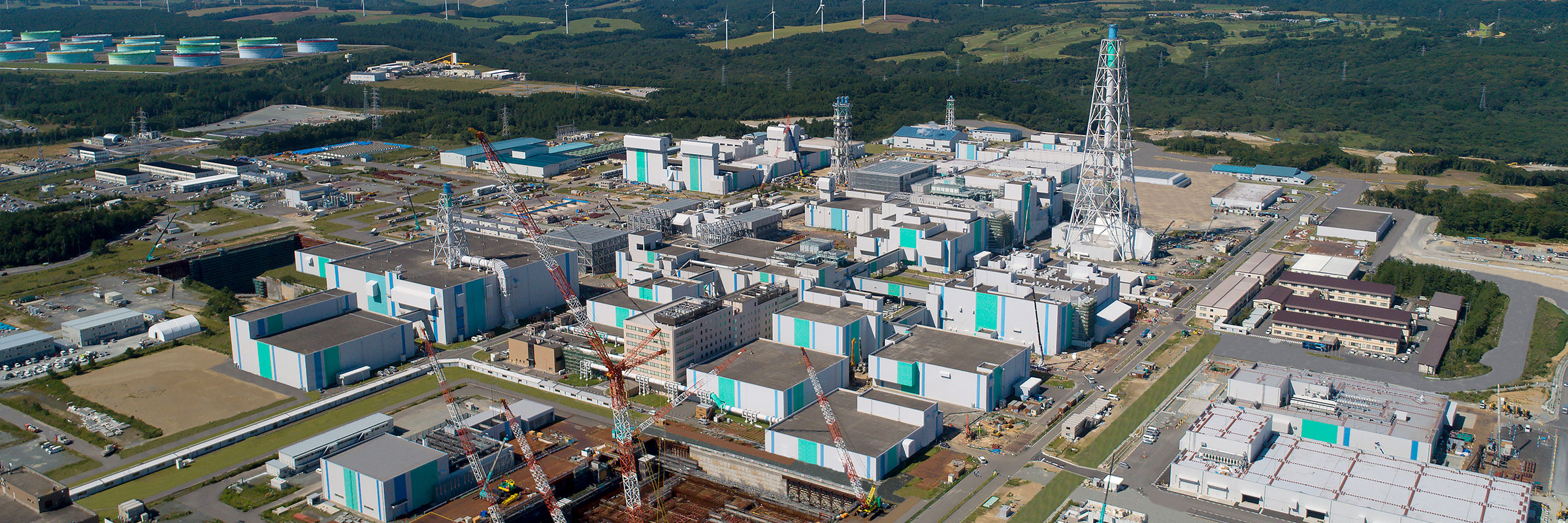
The Rokkasho Reprocessing Plant (RRP) is the first commercial reprocessing plant in Japan. The Plutonium Uranium Reduction Extraction (PUREX) process introduced to this plant has proved to perform at a high level in Japan and abroad.
To reduce the proliferation risk, the RRP adopted the Plutonium-Uranium Co-denitration Technology that combines recovered uranium with separated plutonium before denitration. As a result, plutonium is recovered only as uranium-plutonium mixed oxide (MOX), and never as separated plutonium.
The maximum capacity of the plant is 800 ton-U/year, enough to reprocess spent fuel generated by about 40 reactors of the 1,000 MW class nuclear power plants.
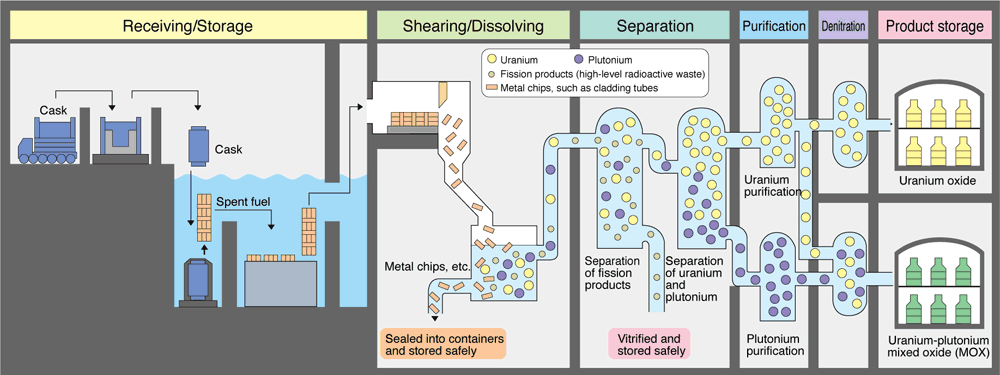
Reprocessing flow