Our Business

Reprocessing

About Reprocessing

Once conventional fuels such as petroleum and natural gas are burned, it can no longer be used. In contrast, uranium fuel can be burned for three to four years and can be used repeatedly through reprocessing. In the light-water reactors, used in many nuclear power plants, energy is primarily obtained from U-235. When U-238, which is a non-fissile isotope, absorbs neutrons, part of it changes into plutonium.
The plutonium and residual unburned U-235 is extracted by reprocessing to be reused as raw materials for uranium fuel or Mixed Oxide (MOX) fuel.
This reprocessing is carried out at the reprocessing plant. Thus, the reprocessing plant is regarded as a facility that produces semi-domestic energy resources. Using reprocessed uranium and plutonium in a light-water reactor allows for 10% to 20% uranium-resource-saving effects. Moreover, in the future, if plutonium were to be used in the Fast-Breeder Reactor that excels in conversion efficiency, utilization efficiency is expected to improve significantly.

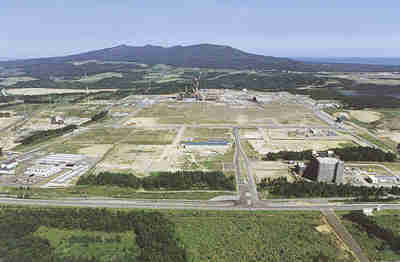
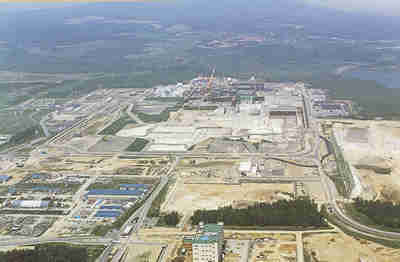
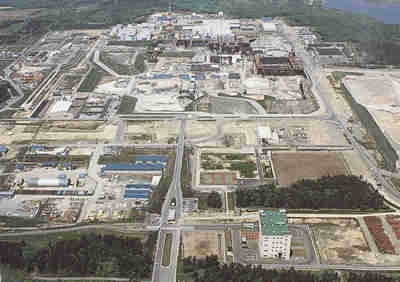
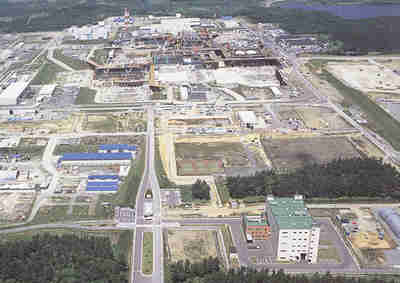
The Rokkasho Reprocessing Plant (RRP) is the first commercial reprocessing plant in Japan. The Plutonium Uranium Reduction Extraction (PUREX) process introduced to this plant has proved to perform at a high level in Japan and abroad.
To reduce the proliferation risk, the RRP adopted the Plutonium-Uranium Co-denitration Technology that combines recovered uranium with separated plutonium before denitration. As a result, plutonium is recovered only as uranium-plutonium mixed oxide (MOX), and never as separated plutonium.
The maximum capacity of the plant is 800 ton-U/year, enough to reprocess spent fuel generated by about 40 reactors of the 1,000 MW class nuclear power plants.
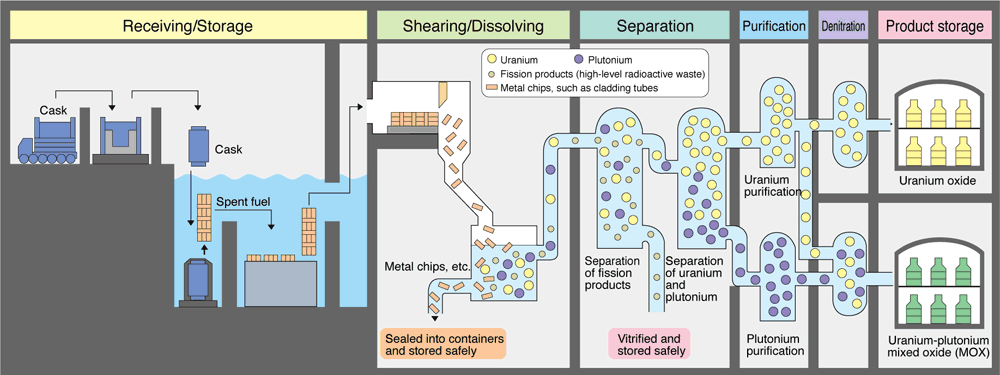

Reprocessing flow
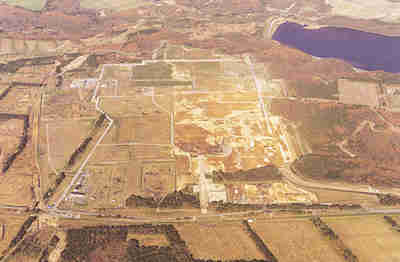
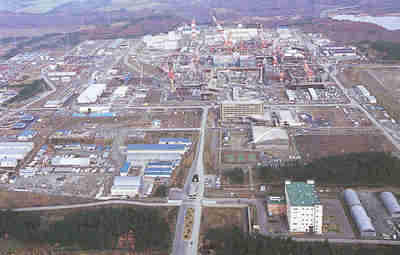
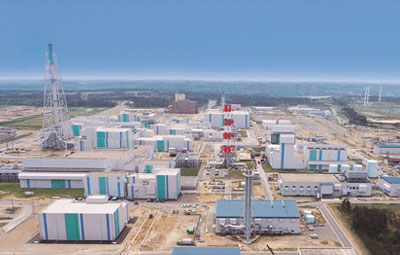
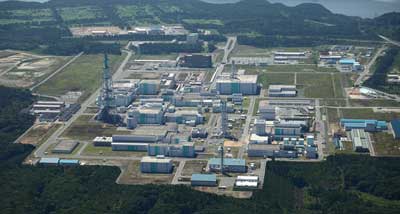
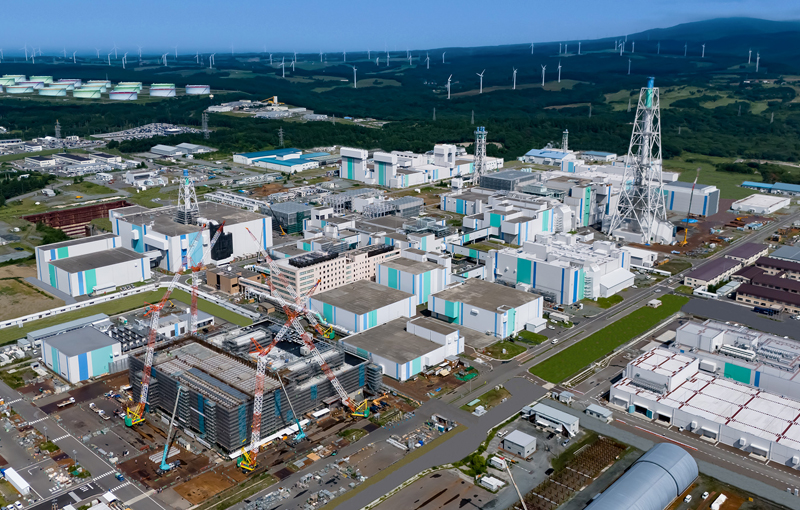
Progress of the Rokkasho Reprocessing Plant (RRP)

Year Milestone
1989 Site preparation and land development
1993 Excavation work began for the Spent Fuel Receipt and Storage Building foundation
1995 Construction of the Spent Fuel Receipt and Storage Building underway; foundation work began for the Head-End Process Building
1996 Foundation work began for the Separation Building and the Control Building
1998 Foundation work began for the Uranium Denitration and Oxide Storage Building and the Uranium-Plutonium Mixed Denitration and Oxide Storage Building
1999 Peak period of reprocessing plant construction
2006 Active testing commenced
2010 Construction of the MOX Fuel Fabrication Plant began
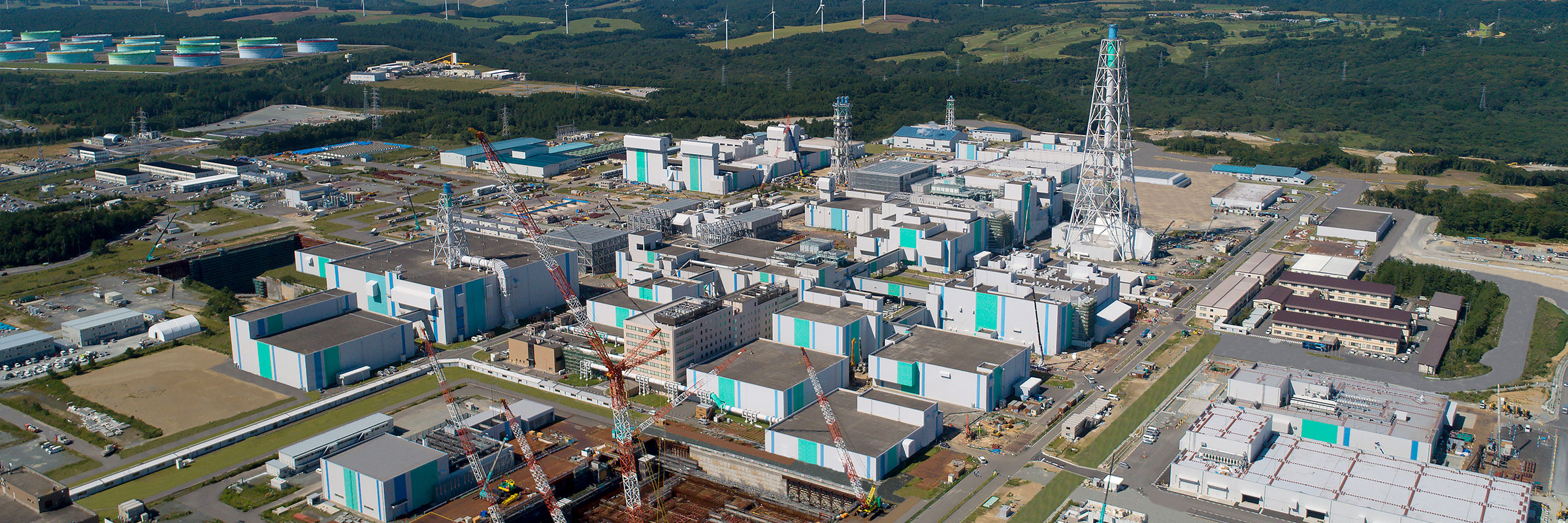
2025 Present-day Rokkasho Reprocessing Plant

Plutonium Management

To ensure the safety use of nuclear materials, national and IAEA inspectors are being stationed with 24-hours operation during the operation of the plant and verifies no diversion of plutonium to nuclear weapons at RRP.
In addition, we are obligated to establish accounting provisions and receive approval from the Nuclear Regulatory Authority to secure proper material accountancy, by the Act on the Regulation of Nuclear Source Material, Nuclear Fuel Material and Reactors. Under the provisions, data of our reprocessing plant including inventory quantity are declared to IAEA through national authorities. Then, national authorities and IAEA confirms that our facilities are safeguards-compliant by inspection and necessary assessment.
Various latest monitoring system for plutonium such as yearly physical inventory verification, monthly interim inventory verification, frequent assessment by near real time accountancy (NRTA), and Solution Measurement and Monitoring System (SMMS) for continuous monitoring of our processes, are installed at RRP. By making full use of these systems, the appropriate operation of our plant is being verified.
Thus, even if there is a material unaccounted for (MUF) due to measurement errors, all plutonium is located within the plant facilities and piping. As mentioned above, under the strict surveillance of national authorities and IAEA, there is no unauthorized removable of plutonium from RRP.

Operational Status at Reprocessing Plant

As of July 31, 2026

Current Status

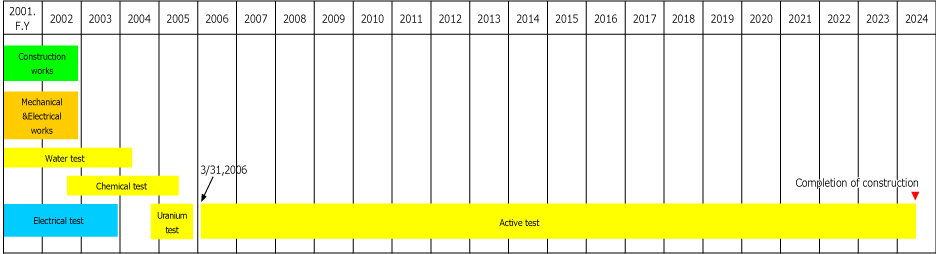
Currently, the RRP is in the stage of "Active-Test". The construction will be completed by the end of FY2026.

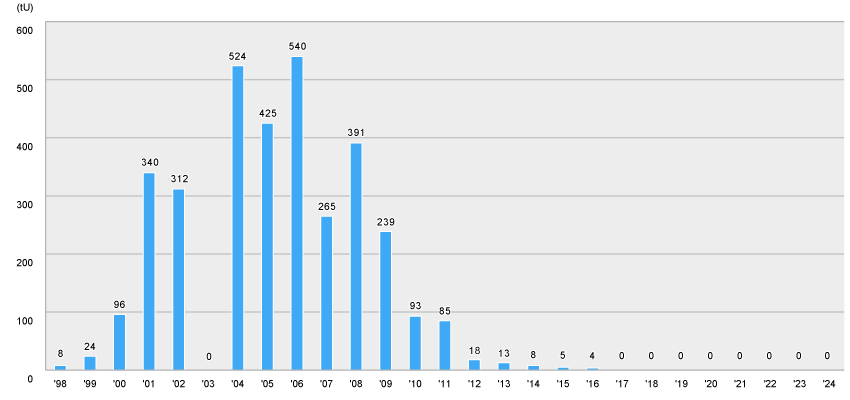
Up to now, total of 3,393 tons of spent fuel has been received.

Construction Schedule of Reprocessing Plant

Spent fuel receiving

graph of spent fuel receiving